

DIFFERENT FILL TYPES
Breast implant fill types are something we chat about regularly. Our goal at Capizzi MD is to help you achieve your desired breast augmentation outcome by recommending the optimal implant option for your lifestyle and aesthetic goals. These are the current fill types available for United States patients.
Silicone Gummy Bear
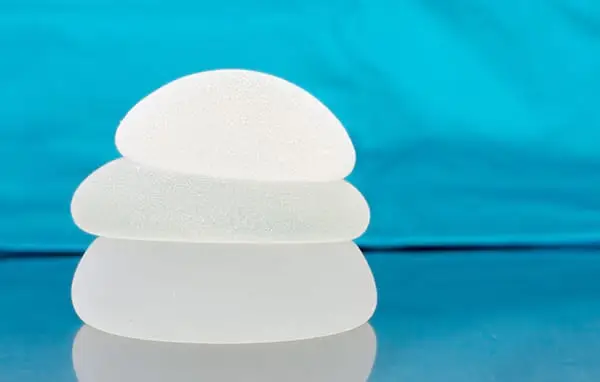
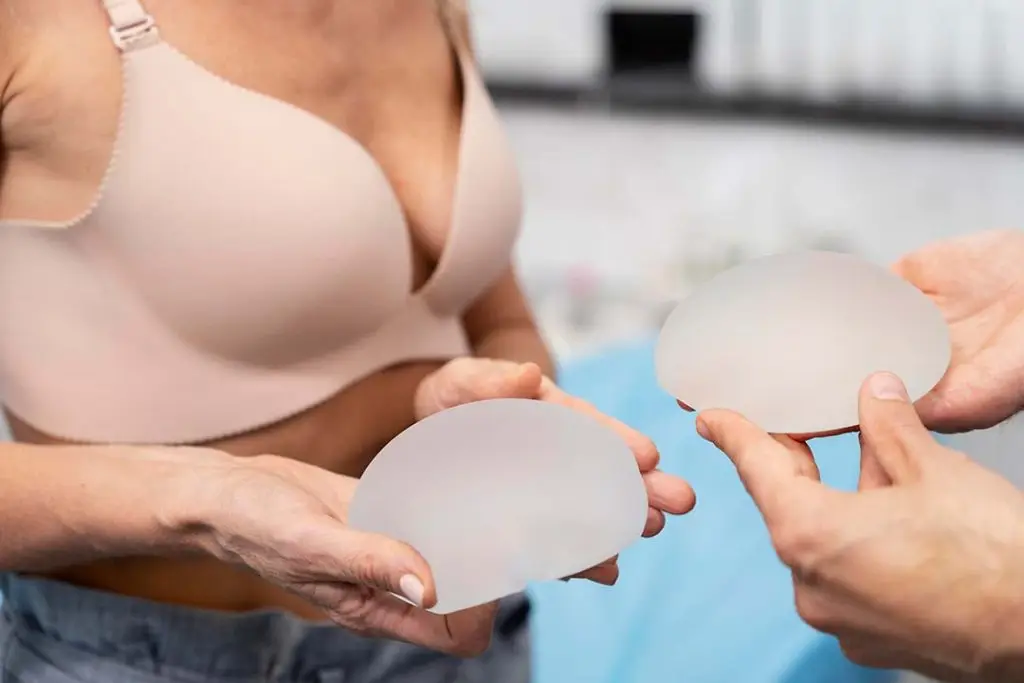
These implants are filled with a cohesive silicone gel. These are the only silicone implants we recommend at this time due to a high patient satisfaction and impressive safety ratings. The cohesive gel mimics the feel of breast tissue, is able to retain volume in the upper breast to enhance results, and has very low rates of complication.
Silicone
These implants are filled with a fluid-like silicone gel. They offer the same appearance and feel as their gummy bear alternatives, but without the same safety ratings over the long haul.
Saline
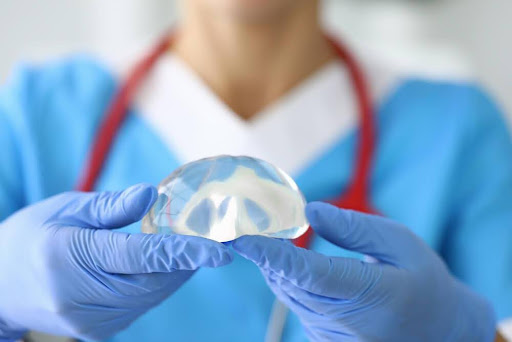
These implants are filled with sterile saline after placement. These can be utilized if the patient desires an underarm incision, or if the patient wants a large size that may not be available in a silicone option. There is a high risk of rippling/folding or rupture for these implants over time.
DIFFERENT IMPLANT MANUFACTURERS IN THE UNITED STATES
The market for breast implants is diverse, with various manufacturers offering different options. Some implants are exclusively available to board-certified surgeons, which may limit the range of options discussed in your other consultations. However, Dr. Capizzi has access to all implants available in the United States and is committed to recommending the one that best aligns with your aesthetic preferences and lifestyle, while prioritizing your overall health and well-being.
Motiva: Invitation-only access, board-certification required
Sientra: Board-certification required
Allergan/Natrelle
Mentor
DIFFERENT BREAST IMPLANT SHELL TYPES
When considering breast augmentation, one of the key decisions involves choosing between textured or smooth breast implants. Both options have their own advantages and considerations. Your board-certified plastic surgeon will recommend a specific shell type based on your goals and preferences. Let’s explore the differences between textured and smooth implants to help you make an informed choice.
Smooth Breast Implants
Textured Breast Implants
These implants have an outer silicone shell that is pebbled and soft. Textured breast implants are more common for breast reconstruction patients, because they promote better attachment to the pocket or capsule. For patients without breast tissue, or for patients who have loss of collagen and elastin in their skin, this can be a great advantage to producing and maintaining a perky, natural result.
DIFFERENT BREAST IMPLANT SHAPES
Breast implant shapes play a role in determining the final outcome of a breast augmentation procedure. There are two primary shapes to consider: round and shaped. Each option offers distinct qualities and can influence the overall appearance and feel of the breasts. Understanding the differences between round and shaped implants is essential for making an informed decision and achieving your desired results.
Round Breast Implants
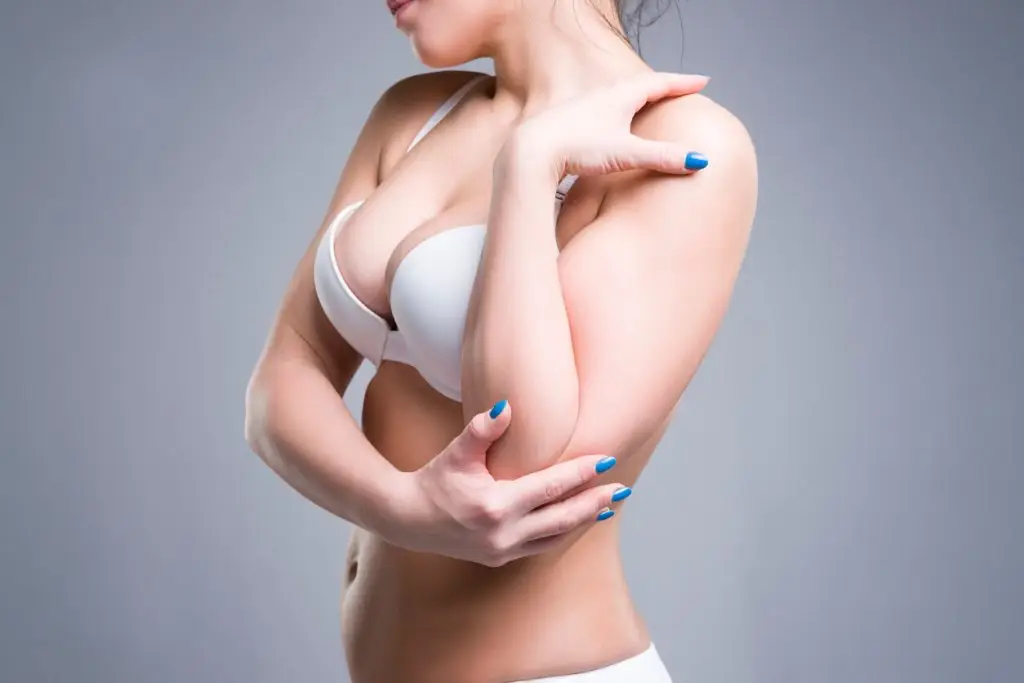
Round implants are designed to keep fullness throughout the breast. These are the most common implants recommended at Capizzi MD today. When paired with a submuscular placement, these implants give a nice natural look while maintaining fullness in the upper part of the breast to enhance the cleavage. These implants come in both smooth and textured options.

Shaped Breast Implants:
Shaped implants are most commonly used in breast reconstruction, where a patient may be starting out with minimal breast tissue. These implants mimic the natural contours of the breast, offering a more subtle result. Shaped implants can be a good option for patients who have specific aesthetic goals, such as addressing asymmetry or creating a more projected lower chest. These implants only come in textured options.
ADVANCING BREAST IMPLANT TECHNOLOGY
Breast implant technology is rapidly advancing. At Capizzi MD Cosmetic Surgery & Med Spa, we’re committed to staying at the cutting edge of these innovations. As a leading expert in breast implant technology, Dr. Capizzi has been involved in several FDA studies. He continues to collect data for the National Breast Implant Registry and is heavily involved in post-approval studies for the FDA, to ensure continued safety and wellbeing for his patients. His passion for providing the best possible care for his patients motivates him
Some of the latest advancements include:
- Enhanced customization: Tailor-made implants for a more natural look.
- Improved recovery: Placement techniques developed for a faster recovery.
- Finer control: Greater precision in achieving your ideal breast shape.
- Longer-lasting results: Implants designed to maintain their appearance over time.
- Minimal scarring: Smaller incisions for a less invasive procedure.
- Enhanced safety: Higher standards of safety and reliability.
have a question?
Frequently Asked Questions About the Internal Bra
What is an “internal bra”?
An internal bra is a dissolvable mesh used to reinforce the breast’s internal support system and improve long-term shape/support, often using GalaFLeX (a mesh made from suture material that dissolves over time).
Who is a good candidate for an internal bra?
It’s commonly used for patients with implant malposition (bottoming out / drifting outward), recurrent sagging, thin/weakened tissues (significant weight loss from GLP-1s or after pregnancy), asymmetry needing pocket control, or revision surgery needs (including prior pocket issues or capsular contracture).
Is an internal bra a permanent device?
No. It’s a bioabsorbable mesh that supports healing and stability as it absorbs over ~12–18 months, while the body replaces it with natural collagen over time.
Will an internal bra make my breasts look bigger?
Not necessarily, its primary goal is shape and stability, not size. It may be combined with a lift, implant exchange, reduction, or augmentation when appropriate.
Can an internal bra help fix bottoming out or lateral drift (wide cleavage)?
It can help by recreating and reinforcing key pocket borders (lower fold and side borders) that are involved in bottoming out or lateral drift, your surgeon will confirm what’s achievable for your anatomy.